Google rents SpaceX AI compute for Gemini demand
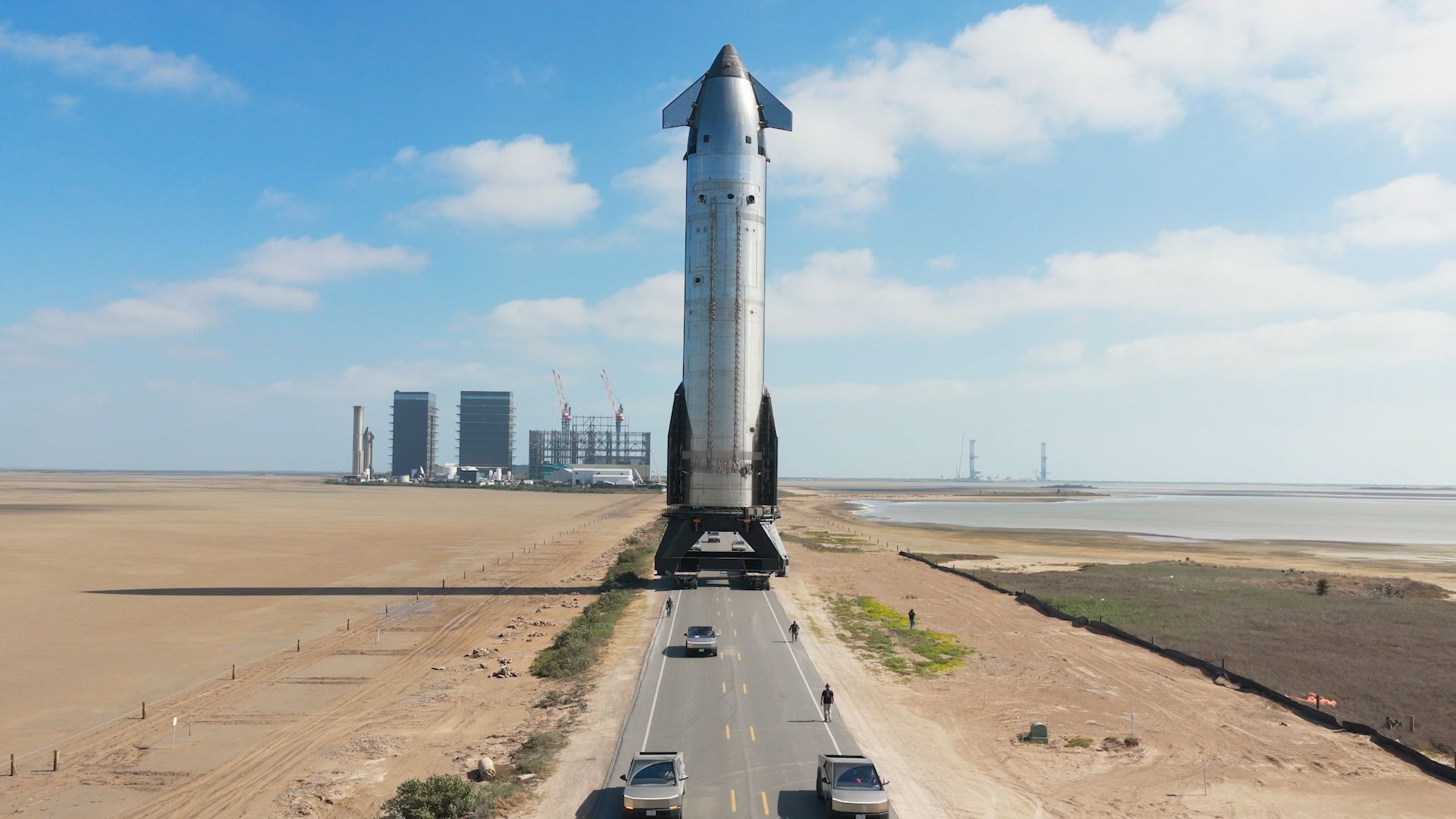
Google has agreed to rent a large block of AI computing capacity from SpaceX, according to a regulatory filing reported by TechCrunch on June 5. The agreement gives Google access to about 110,000 Nvidia GPUs, CPUs, memory and related components, with the full monthly fee set at $920 million from October 2026 through June 2029.
The timing matters. Google is already one of the biggest owners of AI infrastructure in the world, with its own data centers, TPUs and cloud network. Yet the company told TechCrunch the deal is a short-term bridge for unexpectedly strong demand around its agent platform and Gemini Enterprise. In other words, even the largest AI companies are still constrained by the physical supply of chips, power, data center space and deployment speed.
SpaceX is the other striking part of the story. The company is best known for rockets and Starlink, but its xAI-linked Colossus infrastructure is now becoming a commercial compute business. TechCrunch notes that SpaceX recently signed a similar, even larger, deal with Anthropic. That means some of the most important AI labs are not only competing on models, but also renting capacity from rivals or adjacent players when their own infrastructure cannot keep up.
For AI users and businesses, the practical lesson is simple: demand for advanced AI is still running ahead of supply. Usage limits, model availability, enterprise pricing and product rollout speed are all shaped by compute access. When a company like Google pays nearly a billion dollars a month for temporary capacity, it signals that AI agents and enterprise Gemini workloads are moving from experiments into heavy production use.
For the market, the deal also changes how investors may look at infrastructure. Compute is no longer just a cost center for model builders. It is becoming a strategic asset that can be leased, traded and used to strengthen an IPO story. The open question is whether this makes AI more resilient by spreading capacity across more providers, or more fragile because a small group of companies controls the scarce hardware behind the next wave of AI products.